
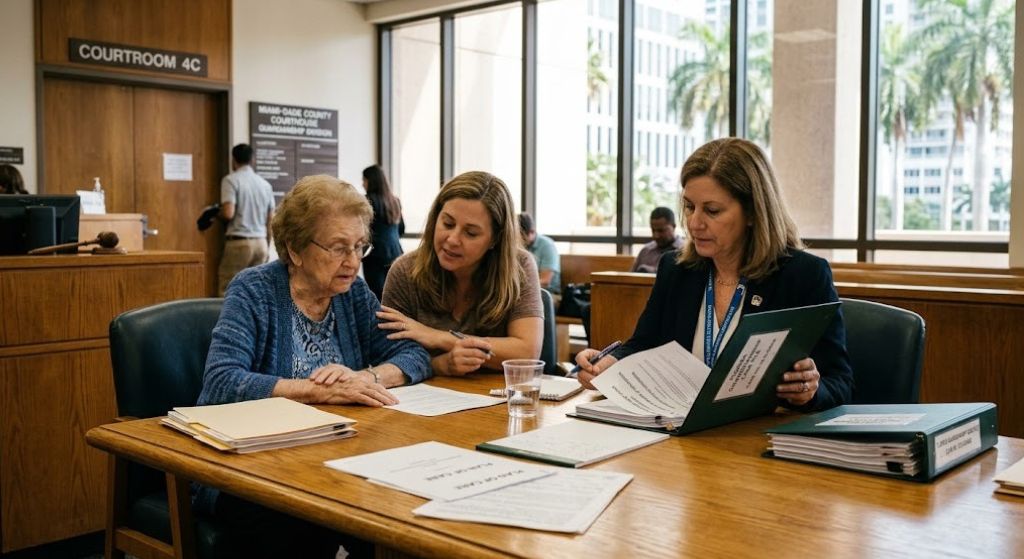
Florida guardianship is not a paperwork exercise, it is a court-supervised transfer of legal authority that changes who can make decisions for a person or manage property. If you are facing the Florida Guardianship Process in Hollywood, Pembroke Pines, Fort Lauderdale, or anywhere in Broward or Miami-Dade, you need a clear sequence, the right filings, and a realistic view of whether guardianship is even necessary.
What You Need Before Starting a Florida Guardianship Case
Before you file a legal petition, you need a clean picture of the problem. Courts expect guardianship to be the last resort, not the first move, and that means you should identify the facts, the alternatives, and the county rules before you step into court. If you start with the wrong assumptions, you waste time and give the court a reason to slow everything down.
Determine Whether Guardianship Is Actually Necessary
Start with the hard question: does the person truly need a guardian, or does a less restrictive legal tool already solve the issue? For adults, Florida courts expect you to rule out options like a durable power of attorney, a trust, a health care surrogate, or other advance planning documents before asking a judge to remove rights. If one of those tools is already in place and still works, guardianship is usually the wrong path.
For a minor, the analysis is different. Guardianship often becomes necessary when parents die, become incapacitated, or when a child receives significant assets that need court supervision. Miami-Dade materials specifically flag inheritance, lawsuit proceeds, or insurance proceeds exceeding $15,000 as the kind of property that can trigger court involvement.
Gather the Core Information and Records
You need the records that show why court intervention is required. That means medical documentation, a summary of capacity concerns, financial statements, account information, real estate records, and facts about who is currently helping the person. A diagnosis alone is not enough. The court needs evidence showing how the problem affects real-world decisions.
This is where a strong record makes the difference. You want facts that show the person cannot manage money, cannot understand medical choices, or cannot protect property without help. If the case involves a parent or older relative, organized documentation also helps you avoid a contested guardianship before it starts.
Identify the Correct County Court and Case Type
County matters. Broward and Miami-Dade do not run identically, and local procedure affects how fast your case moves and which forms apply. You also need to know whether you are dealing with a minor, an adult, a limited guardianship, or a plenary guardianship. A filing in the wrong case track creates delay before the court even reaches the merits.
If you are handling a property-driven case, the county distinction matters even more. South Florida courts expect you to follow local intake and probate procedures exactly, which is why families often use counsel familiar with both Florida Guardianship Laws and local courthouse practice.
Step 1: Confirm the Legal Basis for Guardianship
The court will ask one question before anything else: why is guardianship legally justified? Your job is to show that the person needs protection and that no other lawful arrangement can provide that protection.
Understand the Difference Between Minor and Adult Guardianship
A minor guardianship focuses on custody, authority, or management of a child’s property when parents are unavailable or unable to act. An adult guardianship focuses on incapacity. That difference matters because the adult case removes rights only after a formal legal finding, while the minor case often turns on the absence of a parent or the need to supervise assets.
The legal standard changes the entire case. In an adult matter, you are not proving that the person is difficult or forgetful. You are proving that the person lacks the ability to manage personal, medical, or financial decisions to the degree required by law.
Evaluate the Least Restrictive Alternative Requirement
Florida courts favor the least restrictive alternative every time. That means you must show why a trust, proxy, living will, or designation of healthcare surrogate does not solve the problem. If the person can still make decisions with support, the court expects you to preserve autonomy rather than strip it away.
A revocable trust often solves asset-management problems before incapacity becomes a court issue, which is why many families use a Florida revocable living trust as part of their planning. The same principle applies to medical decisions. If a properly executed surrogate designation or living will already speaks for the person, guardianship should not replace it casually.
Decide Whether the Request Should Be Limited or Plenary
If guardianship is necessary, decide whether the request should be limited or plenary. A limited guardianship removes only the rights the person cannot exercise safely, while a plenary guardianship assigns the guardian all delegable legal rights and powers after incapacity is proven. The court prefers the narrower option when the evidence supports it.
That distinction matters because it affects autonomy. A person who can handle some choices should keep those rights. The court will not remove more than necessary just because a family member wants broader control.
Step 2: File the Initial Court Petition
Once the legal basis is clear, the case begins with the filing. This is where the court gets its first formal look at the facts, the family structure, and the relief you are asking for.
Prepare and File the Petition for Guardianship
You file the petition that explains why a guardian is needed and what authority is requested. In an adult case, the petition must connect the alleged incapacity to the need for court action. In a minor case, it must explain why parental authority is unavailable or why the child’s property needs supervision.
Keep the petition factual and specific. Courts respond better to concrete details than broad labels. If the issue is financial, say so. If the issue is medical decision-making, say so. If both are involved, identify each clearly.
Include the Required Supporting Facts and Parties
Your petition must identify the proposed ward, the petitioner, close relatives, and other interested persons who need notice. It should also summarize assets, living arrangements, safety concerns, medical issues, or family disputes that make the case necessary. The court uses that information to determine who must be served and what issues need to be heard.
This is also where a careful legal petition strategy matters. A sloppy filing invites objections, and objections delay the appointment process fast. Precise allegations reduce the chance that a relative, creditor, or other interested person turns the case into a fight.
Understand Miami-Dade’s Separate Incapacity Proceeding
Miami-Dade handles adult guardianship with a separate incapacity track. Before a guardian can be appointed, the court must first open a mental health legal proceeding and hold a hearing on a Petition to Determine Incapacity. That step is not optional. It is the gatekeeper for adult guardianship in that county.
This is one of the biggest procedural differences in South Florida. If you are filing in Miami-Dade, the incapacity phase comes first, and the guardianship appointment comes later, after the court decides what rights, if any, need to be removed.
Step 3: Complete the Incapacity Evaluation Process
For an adult guardianship, this stage decides the case. The court needs evidence, not assumptions, and the examining committee is the mechanism Florida uses to get it.
Know the Role of the Examining Committee
The court appoints a three-member examining committee, usually two physicians and another qualified person. Each member evaluates the person’s physical condition, mental health, and functional abilities. The committee’s job is to tell the court whether the person can understand, appreciate, reason, and communicate decisions.
If you are preparing a family member for this stage, take it seriously. The examining committee is not checking a diagnosis in a vacuum. It is evaluating daily functioning, judgment, and decision-making capacity. That is why a strong medical history and practical examples matter.
Prepare for the Capacity Assessment
The assessment should show more than a medical label. A dementia diagnosis, stroke, brain injury, or psychiatric condition does not automatically create incapacity. The report has to explain how the condition affects the person’s actual ability to manage life.
The best way to think about this is simple: can the person understand a decision, appreciate the consequences, reason through the options, and communicate a choice? If the answer is no on enough legally relevant tasks, the court has a basis to move forward.
Respond to the Committee’s Findings
The committee’s report drives the next hearing. If the majority concludes the person is not incapacitated in any respect, the court must dismiss the petition. If the committee finds partial incapacity, the court may proceed toward limited guardianship. If the findings support broader incapacity, the case moves toward a more expansive order.
That is why the report matters so much. It is often the difference between preserving rights and losing them. Families who understand this stage usually prepare better, document better, and avoid surprises at hearing.
Step 4: Attend the Court Hearing on Incapacity
The incapacity hearing is where the judge turns the written record into a legal ruling. The evidence must support a rights-based decision, not just a family concern.
Present Medical and Functional Evidence
Bring the records that show how the person functions in daily life. Medical testimony, clinician reports, and examples of missed bills, unsafe behavior, or inability to understand care choices all help. The court wants a real-world picture, not just a summary of symptoms.
This is also where a well-prepared lawyer adds value. In Hollywood, family cases often overlap with probate, real estate, and title issues, and the same disciplined approach that helps in trial work helps here too. At Klein & Fortune, P.A., that combination of probate and litigation experience keeps the case grounded in facts and procedure.
Protect the Proposed Ward’s Rights During the Hearing
The person at the center of the case has rights throughout the process, including notice and an opportunity to be heard. The hearing is not a formality. It is the point where the court decides whether rights will be removed, so the record has to be handled carefully.
If the person can attend, that attendance often matters. It gives the court a firsthand sense of the person’s communication, awareness, and ability to participate. The judge will notice if the person can answer questions clearly, and also if the person cannot.
Obtain the Court’s Order on Capacity
After the hearing, the judge enters an order on capacity. That order controls the rest of the case. If the court finds incapacity, even partially, the guardianship proceeding moves ahead with the scope of authority defined by that ruling.
Step 5: Petition for Appointment of a Guardian
Once incapacity is established, the court shifts from diagnosis to appointment. Now the question becomes who should serve, and whether that person is qualified to handle the ward’s needs.
File the Petition to Appoint a Guardian
You file a separate petition asking the court to appoint a guardian. The petition identifies the proposed guardian and ties that request to the incapacity findings already entered. The court does not appoint a guardian by default. You must ask for it and explain why the proposed person is appropriate.
This stage is where family dynamics often surface. If one relative wants the role and another objects, the court looks at suitability, availability, and trustworthiness. A clean petition helps. So does a calm presentation.
Show That the Proposed Guardian Is Qualified
The proposed guardian must be suitable to serve. That means honest, organized, available, and able to meet reporting obligations. The court also considers relationship history, conflicts of interest, and whether the proposed guardian can actually carry out the job.
Florida guardianship is not a title, it is a legal duty. If you want a deeper look at that role, the duties imposed on a court-appointed guardian are worth understanding before the appointment is finalized.
Address Attorney Requirements and Court Representation
Florida guardians must be represented by an attorney. Miami-Dade says this directly through Fla. Prob. R. 5.030(a), and the practical rule is the same across South Florida: guardianship is a legal proceeding, not an informal family arrangement. The lawyer keeps the case compliant, the filings timely, and the court informed.
Step 6: Complete Background Checks, Training, and Qualification Steps
Appointment is not the end of the screening process. The court uses administrative steps to confirm that the guardian is safe to appoint and prepared to serve.
Submit Background and Fingerprint Information
If the court requires fingerprinting or background review, complete it immediately. Miami-Dade uses FDLE submission through ORI number FL013124Z. Delay here slows the entire case, and no judge wants a paper problem to hold up a needed appointment.
Finish Any Required Guardian Education or Training
Training matters because guardians handle rights, money, medical decisions, and court reporting. The process is designed to make sure the guardian understands the scope of authority and the responsibility that comes with it. A prepared guardian makes fewer mistakes and creates fewer later disputes.
File Oaths, Acceptance, and Bond Documents
The court also requires formal acceptance of the role. If a bond is required, you arrange it before authority becomes effective. These documents turn the appointment into an active legal status rather than an informal promise.
Step 7: Set Up the Guardianship Estate and Inventory Assets
Once appointed, the guardian of the property must treat the ward’s assets as a supervised estate. The court expects order from day one.
Identify and Secure the Ward’s Property
Locate bank accounts, brokerage accounts, real estate, vehicles, and personal property. Then secure them. You are protecting assets, preventing waste, and making sure no one moves money without authority.
That responsibility is why many families compare guardianship with planning tools before a crisis hits. If you are still building your estate plan, incapacity planning strategies help you understand how to keep decision-making out of court whenever possible.
Prepare the Initial Inventory
The guardian must prepare an inventory of the ward’s property. That inventory becomes the baseline for later accountings and court review. Accuracy matters because every later report depends on that first snapshot.
Distinguish Between Personal Care and Property Authority
Guardianship of the person and guardianship of the property are not the same thing. One covers personal and medical decisions, the other covers financial and asset management authority. A court order may grant one, the other, or both.
Step 8: Carry Out the Guardian’s Ongoing Duties
Once the appointment is in place, the real work begins. The court keeps supervising, and the guardian must act within the exact scope of the order.
Make Decisions Within the Scope of Authority
Do not exceed the powers granted by the court. A limited guardian cannot act like a plenary guardian, and even plenary authority still operates under statutory limits. Every important decision should line up with the order and the ward’s remaining rights.
Use the Ward’s Resources for Support and Care
Funds must be used for the ward’s support, services, and protection. That means prudent spending, careful investment, and no personal mixing of funds. If the property is substantial, the guardian must act with the same discipline expected in a formal estate administration.
Honor the Ward’s Preferences and Remaining Rights
Guardianship is substituted decision-making, not domination. The guardian should follow the ward’s known values and preferences whenever the law allows. That standard protects dignity and keeps the arrangement tied to actual need.
Step 9: File Required Reports and Annual Accountings
Court supervision never stops at appointment. Reporting is how the court checks whether the guardian is doing the job correctly.
Submit Annual Accountings by April 1
Florida requires annual accountings by April 1. The report must show income, spending, transfers, and the current status of assets. Miss the deadline and the court notices immediately.
File Updated Plans or Status Reports When Required
If circumstances change, file the additional reports the court requires. A change in health, residence, finances, or family circumstances can affect the guardianship. Staying ahead of those changes keeps the case stable.
Keep Detailed Records of Every Transaction
Keep receipts, statements, invoices, and care records. Good recordkeeping protects the guardian from disputes and makes the annual accounting manageable. Weak records create suspicion fast, especially in a family dispute.
Step 10: Address Problems, Challenges, or Alternatives After Appointment
Guardianship stays open to court review, which means it can be challenged, narrowed, or ended when circumstances change. That flexibility protects the ward, but it also means the guardian must stay attentive.
Respond to Objections, Disputes, or Removal Requests
If relatives object, respond quickly and document everything. The court can investigate misconduct, remove a guardian, or appoint a replacement if the situation demands it. A dispute is much easier to manage when the records are clean and current.
Seek Modification If the Ward’s Condition Changes
If the ward regains capacity, the order can be reduced or terminated. If only part of the guardianship is still needed, the court can narrow it. That is the right legal answer when the underlying facts shift.
Consider Public Guardianship When No Family Guardian Is Available
If no suitable private guardian is available and the person is indigent, public guardianship services fill the gap. The Office of Public and Professional Guardians oversees statewide public guardianship services, contracts with local offices, and monitors professional guardians. It also operates a complaint hotline at 1-855-305-3030 for concerns about guardianship conduct.
Common Problems That Delay a Florida Guardianship Case
Most delays come from the same few mistakes. You can avoid them by treating the process like a legal case, not a family emergency with forms attached.
Filing Before You Exhaust Less Restrictive Alternatives
If you skip the alternatives analysis, the court pushes back. The record has to show guardianship is necessary, not just convenient. That is why guardianship alternatives deserve serious attention before the petition goes in.
Incomplete Medical or Functional Evidence
A diagnosis without functional detail weakens the case. The court needs to know what the person can and cannot do, not just what condition appears in the chart.
Missed Deadlines and Missing Court Forms
Probate courts run on deadlines. Miss one and you create delay, objections, or dismissal risk. South Florida courts expect precision.
Poor Financial Recordkeeping After Appointment
If the numbers do not add up, the accounting becomes a problem. From the first day of authority, every transaction should be traceable.
What Happens After the Guardianship Is Approved
Once the court grants the guardianship, the focus shifts from proving the need to carrying out the duties. That is a different mindset, and it matters.
Understand the Scope of Your Authority
Read the order closely. Know what rights were removed, what powers were granted, and what the court expects next. If you act outside that scope, you create new legal problems.
Begin Managing Care, Property, or Both
At that point, you take over the court-assigned duties, whether personal care, finances, or both. Every decision should serve the ward’s welfare and stay documented.
Plan for Ongoing Court Supervision
Expect continuing supervision, future accountings, and possible modification later. Guardianship is not a one-time filing, it is an ongoing legal obligation.
Frequently Asked Questions
What is the Florida Guardianship Process?
It is the court-supervised process for appointing a guardian to manage the personal, medical, or financial affairs of a minor or an incapacitated adult. For adults, the court must first determine incapacity before appointing a guardian.
Do you always need guardianship for an older parent?
No. If a durable power of attorney, trust, health care surrogate, or other planning document already solves the problem, guardianship is usually unnecessary. Florida courts require you to use the least restrictive alternative first.
What does an examining committee do?
The examining committee evaluates the person’s physical condition, mental health, and functional abilities. The court uses that report to decide whether the person is incapacitated and whether limited or plenary guardianship is appropriate.
How long does a guardianship case take in South Florida?
The timeline depends on county procedure, the quality of the filings, the medical evidence, and whether anyone objects. Miami-Dade adult cases often move through a separate incapacity proceeding before appointment, which adds another step.
What happens if the person regains capacity?
You can ask the court to modify or terminate the guardianship. Florida law allows the arrangement to change when the underlying need changes, and the court can restore rights when the evidence supports it.
Does a guardian have to report to the court?
Yes. Guardianship comes with ongoing reporting duties, including annual accountings for property guardianship. The court uses those reports to monitor the ward’s assets and the guardian’s conduct.
Once you understand the Florida Guardianship Process, the big picture gets clearer: the court is not looking for convenience, it is looking for proof, restraint, and the least restrictive solution that still protects the person. That is the standard that shapes every petition, every examining committee review, and every hearing in South Florida courts.
References
- 17th.flcourts.org
- agsjournals.onlinelibrary.wiley.com
- elderaffairs.org
- flcourts.gov
- flcourts.gov
- jud11.flcourts.org
- nga.wildapricot.org
- sciencedirect.com