
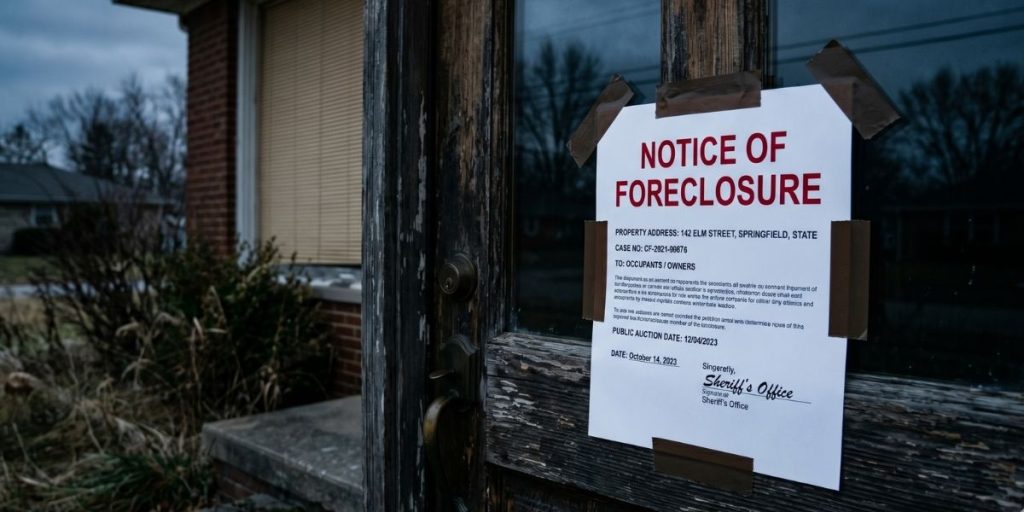
Foreclosure During Probate is what happens when a family’s legal timeline collides with a lender’s payment timeline. The mortgage, taxes, and insurance keep accruing after a death, but the authority to negotiate, sell, or sign can take weeks to establish in Florida probate. The result is often a preventable loss of equity, and in urgent cases, a court fight to buy time.
Foreclosure During Probate in Florida: What It Is (and Why Probate Doesn’t “Pause” the Bank)
Foreclosure during probate is a timing problem, not a paperwork problem. When an owner dies, the loan does not die with them, the home remains collateral, and the servicer’s default process usually continues unless someone steps in quickly with payments, a workout plan, or a sale.
Florida probate can feel like it should act as a shield, but it rarely does automatically. Even if heirs are cooperating, the lender can keep charging late fees, advance escrow, place force insurance, refer the file to foreclosure counsel, and (if a lawsuit is filed) push the case forward while the estate is still getting organized. In other words: probate can create the authority to act, but it does not pause the bank’s incentives.
Ownership vs. authority: who can talk to the lender and sign documents?
After a death, “who ends up owning” and “who can act right now” are two different questions. A beneficiary might eventually inherit, but the person with immediate legal power is often the court-appointed personal representative (also called an administrator in some contexts), a trustee if the property is in a trust, or a surviving co-owner if the deed includes survivorship rights.
That gap matters because servicers typically restrict who can receive payoff letters, request reinstatement quotes, approve listing agreements, sign a contract, or negotiate a deed in lieu. Heirs can waste weeks sending documents, calling repeatedly, and getting nowhere, simply because the lender will not treat them as an authorized decision-maker yet. A clean plan often starts with confirming the authority path and then matching every request to the right signer and the right documentation.
Florida heirs dealing with multi-state families also run into another common delay: ancillary proceedings and out-of-state executor logistics. When a personal representative lives elsewhere, basic tasks like notarizations, wet signatures, and couriered originals can become the bottleneck, especially as foreclosure deadlines approach. For a deeper operational view, see the guide on out-of-state executor duties tied to Florida real estate.
The Florida wrinkle: probate administration, homestead, and court oversight
Florida probate adds a few pressure points that show up repeatedly in foreclosure emergencies. The type of administration matters, because formal administration can involve more steps and court oversight than summary administration, especially when the estate is complex or the property value pushes it into a higher scrutiny lane. When time is short, the wrong filing approach can create avoidable delay, and delay is exactly what foreclosure exploits. A focused explanation of when court-supervised administration is unavoidable is covered in the formal administration real estate breakdown.
Homestead is another Florida-specific twist. A property might have constitutional homestead protections and restrictions on who can inherit and how it passes, and that can affect title, lender communication, and sale timing. Homestead can be helpful, but it can also complicate a “quick sale” if the estate tries to move faster than the paperwork supports. A separate, practical primer on how homestead protections work in an inheritance helps clarify what is protected and what is not.
First 30 Days After Death: A Foreclosure-Prevention Checklist (Do This Before You Decide to Keep or Sell)
The first month is the stabilization window. The goal is not to solve every estate issue, it is to stop the financial bleeding, preserve insurability, and establish legal authority fast enough to choose a path before the lender chooses it for the family.
Step 1: Confirm how title is held and whether probate is required
Everything starts with the deed. Sole ownership usually means probate authority is needed before a clean sale or refinance can happen. Joint tenancy with survivorship or tenancy by the entirety can transfer automatically to the survivor, but the mortgage and insurance urgency remains. Tenants in common often create fractional interests that stall decisions, and trust ownership shifts the authority question to the trustee and the trust terms.
Title confirmation is also where “heirs’ property” risk reveals itself. If multiple relatives assume they own the property but no one has formal authority, payments slip, the home sits vacant, and the lender’s file moves from “delinquent” to “referred to counsel” surprisingly fast. When deed transfer work is necessary, a concise roadmap is laid out in the deed transfer guide after death.
Step 2: Identify every debt tied to the property (not just the mortgage)
A delinquent mortgage gets the attention, but it is rarely the only threat. Florida properties can accumulate HOA balances, code enforcement liens, utility arrears, unpaid taxes, and insurance gaps that make a closing fail or trigger a second foreclosure track. The practical move is to pull the most recent mortgage statement and escrow status, the property tax bill and payment history, any HOA or condo association ledger (estoppel), code enforcement records, and hazard insurance declarations. Reverse mortgage statements belong in the same stack because they run on an entirely different timeline.
This is also where equity can disappear quietly. Unpaid taxes and municipal charges can become liens that must be paid at closing, shrinking the net proceeds that heirs thought would exist. The earlier the estate knows the real payoff number and the real lien picture, the more control it has over the outcome.
Step 3: Secure and preserve the asset (insurance, utilities, occupancy)
Vacancy is a multiplier for foreclosure risk. A vacant house is more likely to be vandalized, suffer water damage, attract squatters, or lose insurance coverage for being unoccupied, and in Florida, storm exposure makes that risk feel immediate. If insurance lapses, lenders frequently force-place coverage, which is expensive and often narrower than the prior policy.
Stabilization usually means keeping utilities on as needed, documenting the condition with date-stamped photos, forwarding mail, securing entry points, and tracking every expense and decision. For personal representatives, documentation is more than good practice, it is protection against later claims that the fiduciary let the asset deteriorate or failed to act reasonably under pressure.
Step 4: Open probate (or other authority path) as soon as possible
Speed matters because foreclosure is procedural. The lender’s counsel follows timelines, notice requirements, and hearing schedules, and none of that waits for a family to locate a will. Opening probate is often the step that converts a panicked situation into a manageable one because it creates a decision-maker the servicer can recognize and a court file that can support emergency relief.
Out-of-state heirs commonly lose time on practicalities: ordering multiple death certificates, locating the original will, resolving conflicts over who should serve, and coordinating signatures across states. Each delay makes reinstatement more expensive and sale timelines tighter. When a property must be sold during administration to stop foreclosure, the safest way to avoid title problems is to follow a Florida-specific process like the one explained in the guide to selling in probate without delays.
Mortgage Foreclosure During Probate: Your Main Options (Keep, Sell, or Exit Without Getting Sued)
Most estates end up in one of three lanes: keep the property, sell it, or exit. The cleanest outcomes come from choosing quickly and aligning the legal authority, lender communications, and property condition with that choice.
Heirs are often not personally liable on the note unless they signed it, but the property remains collateral. That distinction matters because a family can decide not to keep paying, but the lender can still take the house.
Keep payments current (or reinstate) to stop the clock
Keeping payments current is the simplest way to buy time, though it is not always affordable. Reinstatement means catching up the past-due payments plus late charges, escrow shortages, and once counsel is involved, attorney fees and costs. The number can jump quickly after a file is referred for foreclosure.
Funds can come from estate accounts once opened, from an heir who intends to keep the home, or from a short-term family agreement where contributors are reimbursed at closing. What matters is documentation. Payments should be traceable, labeled, and tied to a written understanding, because probate is an accounting exercise as much as a legal one. Consumer guidance also consistently warns that missed payments after inheritance can trigger foreclosure even while probate is pending, which is why many advisors recommend continuing payments when possible (keep making payments).
Assume or modify the loan: what federal law may allow heirs to do
Many heirs fear the lender will call the loan due immediately. Federal law often prevents that in common inheritance scenarios. Under the Garn, St. Germain Depository Institutions Act, lenders are generally barred from enforcing due-on-sale clauses against certain family transfers at death, which can support assumption and servicing requests rather than forced acceleration (Garn, St. Germain).
In practice, servicers still require documentation and patience. Common requests include a death certificate, letters of administration, proof of identity, proof of occupancy if an heir is moving in, and sometimes financials for a modification review. Assumption and modification are rarely fast, so they work best when the estate has already stabilized payments or obtained enough time through a pending sale or court-supervised scheduling.
Sell the property quickly to prevent foreclosure (often the fastest solution)
Selling is often the cleanest foreclosure-prevention strategy during probate, particularly for out-of-state heirs, properties needing repairs, or families that do not want to co-own long term. A sale converts a deadline-driven problem into a closing-driven plan: get authority, list or market, clear title issues, and pay off liens at closing.
A “quick sale” does not have to mean a fire sale. The estate can still protect value by ordering title work early, pricing based on real condition, and choosing a sales channel that matches the timeline. In some markets, cash closings can happen in about 14, 21 days, which is sometimes the difference between preserving equity and losing it to fees and a courthouse auction.
Court authority and closing logistics in Florida probate sales
A Florida probate sale must match the personal representative’s authority under the will and court orders, and the closing must deliver insurable title. Payoffs and liens are handled through the settlement statement, but missing authority language, unresolved claims, or deed defects can cause last-minute closing failure, which is brutal when a foreclosure sale date is looming.
This is why probate-specific closing prep matters: coordinating payoff letters, confirming who signs, confirming whether an order is needed, and ensuring the deed form is correct for the estate. A helpful orientation to what actually happens at the table is in the article on what a probate closing looks like in real life.
Deed in lieu, short sale, or letting foreclosure proceed: when it may be rational
Sometimes walking away is the reasonable decision. If the property is underwater, has major defects, or the family cannot agree, the estate can consider a short sale (selling for less than the payoff with lender approval) or a deed in lieu (deeding the property back to the lender in exchange for avoiding foreclosure, if accepted). These options can reduce time and legal expense, but they come with approval requirements and potential tax or deficiency questions that need legal and tax advice.
Letting foreclosure proceed can also be rational when there is no equity and no personal liability. The mistake is drifting into foreclosure by default without confirming equity, lien priority, and whether any action taken by an heir could accidentally create personal exposure.
Special Situations That Trigger Faster Foreclosure Risk (Reverse Mortgages, Taxes, HOAs, and Heirs’ Property)
Foreclosure risk accelerates when a second clock starts running. Reverse mortgages, taxes, and association balances all have their own enforcement tracks, and they do not wait for family consensus.
Reverse mortgage probate: the 6-month clock and extension strategy
Reverse mortgages are the most time-sensitive probate foreclosure scenario because the payoff expectation arrives quickly. Heirs often have about six months to satisfy the balance, and extensions may be possible when the estate can show active steps like payoff requests, a listing agreement, or a signed contract. The catch is that each month of delay can reduce equity, and if the file crosses required thresholds, foreclosure action can be triggered.
The practical strategy is to treat the reverse mortgage as an emergency project: confirm occupancy and surviving spouse rights, request the payoff package immediately, and choose a path quickly (payoff, refinance, sale, or deed in lieu).
Property taxes, municipal liens, and code enforcement: the quiet foreclosure alternative
Florida tax enforcement can feel quieter than a mortgage foreclosure until it suddenly is not. Delinquent property taxes can lead to tax certificate issues and, over time, tax deed risk. Code enforcement liens can also block a sale or take priority in ways that surprise families. Pulling the tax status immediately and budgeting for delinquency is basic, but it is frequently missed because heirs assume escrow is current or that probate will “catch it later.”
HOA/COA foreclosure and super-lien pressures
Associations can foreclose for unpaid assessments, interest, late fees, and attorney charges. In condo-heavy Florida markets, that pressure can move fast, especially when a unit is vacant and the board is aggressive about collections. Requesting an estoppel early, confirming whether assessments are being accelerated, and coordinating payment authority with the personal representative can prevent the balance from snowballing into a second foreclosure case.
“Heirs’ property” and family disputes: why unclear title invites default
“Heirs’ property” is what happens when a property informally passes to multiple relatives and ownership becomes fragmented, unclear, or disputed. No single person can act, no one wants to pay, the home drifts into vacancy, and default becomes almost inevitable. Research and policy work on tangled title repeatedly tie unclear ownership to deterioration and loss of family wealth, which is why early legal intervention is treated as prevention, not cleanup (tangled titles).
When conflict is the bottleneck, a structured agreement or mediation can be faster than court warfare, but sometimes litigation is unavoidable. In Florida, partition risk is real when co-heirs cannot agree, and an organized approach is discussed in the resource on resolving co-owner standoffs.
If a Foreclosure Has Already Been Filed: Damage Control and Legal Levers in Florida
Once a foreclosure lawsuit is filed, denial becomes expensive. The survival guide mindset is triage: confirm the posture of the case, preserve defenses, and pursue the fastest realistic exit, whether that is reinstatement, a court-authorized sale, or a negotiated transfer.
Florida estates can sometimes seek emergency relief from the court to pause or slow foreclosure activity while probate is opened and a personal representative is appointed. These filings are time-sensitive and fact-specific, and they are not a magic wand. Still, in the right situation, emergency motions can create breathing room for authority to be established, for a sale contract to be executed, or for reinstatement funds to be assembled. The work must be done quickly, with clean documentation, and typically through counsel who can coordinate probate and foreclosure strategy without creating title problems.
Triage checklist: verify case status, deadlines, and payoff/reinstatement numbers
The first move is to verify whether a case exists and what deadlines are live. That means locating the foreclosure docket, confirming service status, identifying the next hearing date, and requesting reinstatement and payoff figures in writing. Notices should be preserved and communications logged because verbal statements from call centers are not enforceable plans.
Just as important, the estate should confirm whether insurance is active and whether the property is occupied, because vacancy and insurance lapse can harden the lender’s position and reduce negotiation flexibility.
Emergency strategies: reinstatement, payoff via sale, or court-supervised timing
The practical levers usually fall into three categories. The estate can cure the default through reinstatement. The estate can pay off through a sale that is accelerated and properly authorized in probate. Or the estate can seek court-supervised timing relief, including continuances, negotiated postponements, and when legally supported, emergency motions designed to prevent irreversible loss while probate authority is being created.
Delays reduce leverage. Each missed week adds fees, narrows buyer timelines, and increases the chance that a foreclosure sale date becomes the only deadline that matters. That is why urgent asset protection cases tend to require immediate legal review, even if the long-term plan is simply to sell.
Where foreclosure proceeds go when the owner is deceased
Foreclosure proceeds follow lien priority. The foreclosing lender and other lienholders get paid first, then any remaining surplus goes to the estate and is distributed through probate to heirs. If there is no surplus, heirs receive nothing from the foreclosure sale, even if the property had sentimental value.
This is why early valuation and payoff analysis matter. Knowing whether equity exists changes the decision from “save the house” to “save the value,” and those are not always the same fight.
FAQs and Common Misconceptions (What Out-of-State Heirs and Investors Get Wrong)
“Does probate stop foreclosure?”
Probate typically does not automatically stop foreclosure. The mortgage remains enforceable, and the lender can often continue default and foreclosure steps while the estate is being administered. Probate is useful because it creates a legally recognized decision-maker who can negotiate, sell, or seek court relief, but it is not a pause button.
“Am I personally responsible for the mortgage if the house is inherited?”
Inheriting a property usually means inheriting it subject to the mortgage lien, but it does not automatically make an heir personally liable on the promissory note. Personal liability generally comes from signing the note, guaranteeing the debt, or taking actions that create a new obligation. Legal counsel should review any lender paperwork before an heir signs or agrees to terms.
“Can a probate sale happen before probate is finished in Florida?”
Yes, property can often be sold during administration, as long as the right person has authority and the sale is structured to deliver clear, insurable title. The personal representative’s authority under the will and court orders drives what can be signed and when, and mistakes can derail closing right when time is shortest.
“What is the safest exit if no one wants the property?”
The safest exit is usually an authorized sale that pays off liens and distributes any remaining equity through probate. When the property is underwater or badly damaged, a lender-approved short sale or deed in lieu may be appropriate. Allowing foreclosure to proceed can be a rational exit when there is no equity and no personal liability, but it should be a deliberate decision made after confirming lien totals and title status.
“What emergency legal steps can pause foreclosure while probate is opened?”
In urgent situations, counsel may pursue emergency motions and expedited hearings to prevent irreversible loss while a personal representative is appointed and a sale or reinstatement is arranged. The success and availability of these tools depend on the case posture, notice, the estate’s ability to act promptly, and whether the court is persuaded that a short pause will lead to a concrete resolution rather than delay for delay’s sake.
A simple rule for urgent inherited-property triage in Florida
When a Florida property is in probate and the mortgage is delinquent, the fastest way to prevent foreclosure during probate is to treat it like two cases that must move together: authority and cash flow. Authority comes from the correct probate path and clean title work, cash flow comes from reinstatement funds or a sale timeline that can realistically close before the lender’s deadline. When those two tracks are aligned early, urgent asset protection becomes possible, and consultation stops being optional and becomes the tool that keeps equity from evaporating.
This article is for informational purposes only and does not constitute legal advice. Accreditation requirements vary by state and payor contract. Consult with a qualified attorney regarding your specific compliance obligations.